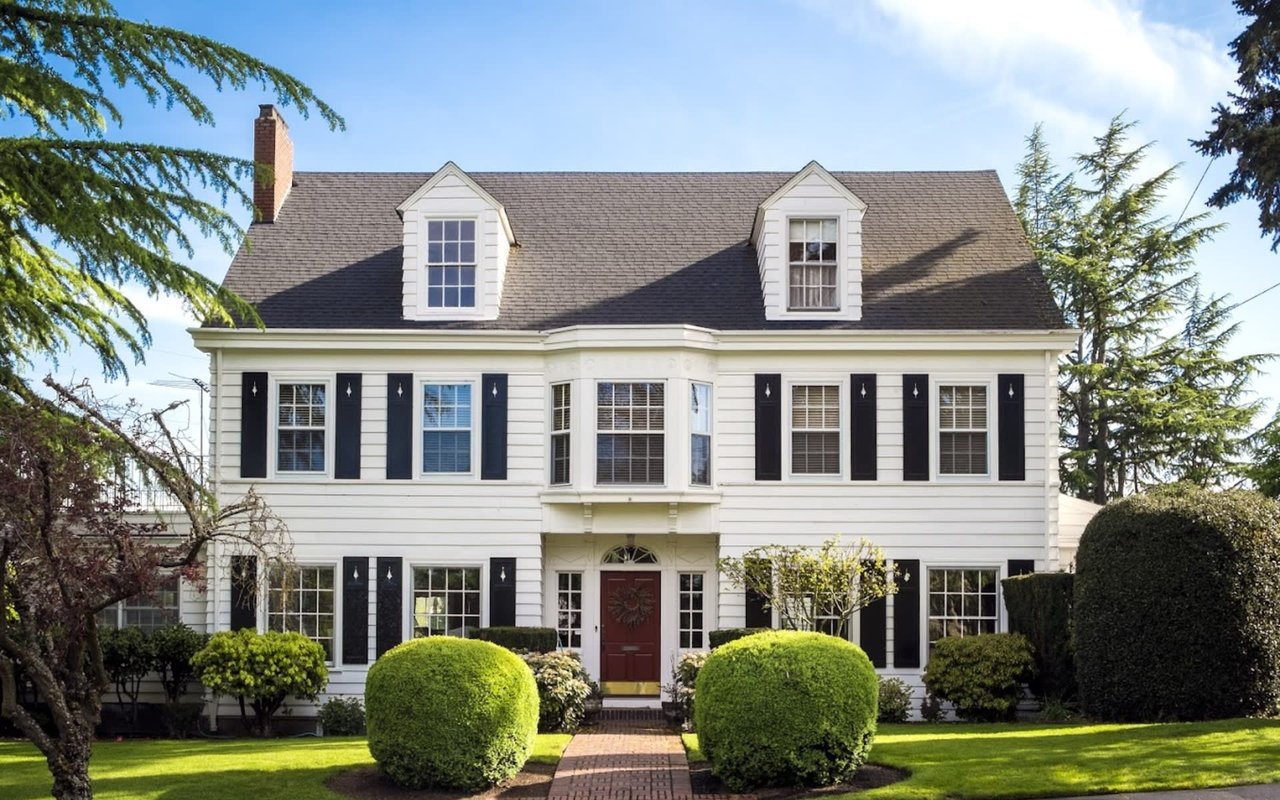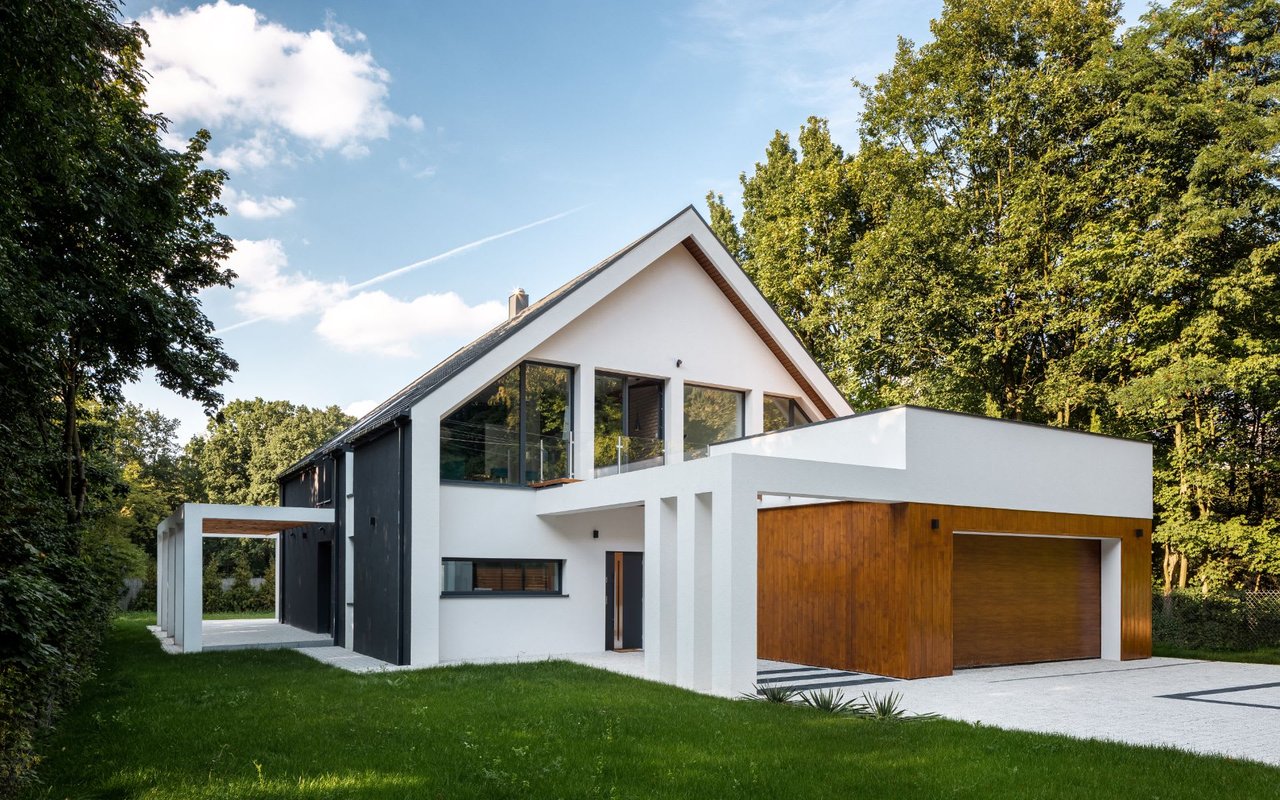
Buying a home is the largest purchase most people ever make, and the smartest buyers I work with treat it that way. They do not fall in love with a kitchen and work backward. They start with the numbers, the location, and the exit, and only then decide whether the house itself is right.
## Start with the monthly payment, not the list price
The list price is only part of what you will actually pay each month. Taxes, insurance, HOA dues, and maintenance all ride along with it, and in Austin those add-ons can change the picture fast. A lower-priced home in a high-tax or high-HOA area can cost more each month than a slightly pricier home without them.
Before you tour, get a real monthly estimate from your lender, not a back-of-the-envelope guess. Know what payment you are comfortable with, not just what you qualify for. Qualification is a ceiling. Comfort is the number you have to live with.
## Buy the things you cannot change
This is the rule I come back to most. You can change paint, counters, flooring, and fixtures. You cannot change the lot, the street, the school zone, the commute, or the neighbors.
In Austin, that means paying attention to the bones and the setting first: a solid lot, a sensible layout, natural light, and a location that works for your daily life. A home with good bones in a strong location gives you options later. A home with a flashy renovation in a weak spot gives you far fewer.
## Think about resale on day one
Even if you plan to stay a long time, buy like someone else will have to want this house someday. That does not mean buying boring. It means avoiding the choices that narrow your buyer pool later: an awkward layout that cannot be fixed, a bedroom count that does not fit the neighborhood, or a price that is already the highest on the street with nowhere to grow.
The best investment purchases in Austin tend to share a pattern. They are priced in line with the neighborhood, not ahead of it. They have room to improve without needing a full rebuild. And they sit in places people consistently want to be.
## Do not skip the unglamorous checks
Smart buying is also about what you verify before you close. A thorough inspection, a clear read on the roof and foundation, and an honest look at upcoming costs like HVAC or a water heater near the end of its life. These are not deal killers by themselves, but they are real money, and knowing them upfront lets you negotiate with facts instead of surprises.
The same goes for the HOA and any restrictions. Read them before you fall in love, not after.
## Leave yourself room
A smart purchase leaves breathing room. That means an emergency fund that survives the down payment and closing costs, and a monthly payment that still lets you live your life, not just own a house.
Stretching to the absolute top of your budget for the perfect finish package is usually the least smart move in the bunch. A slightly simpler home with money left over for the repairs and updates that actually add value will serve you better, and it will feel better to live in.
## The bottom line
Smart investment when purchasing comes down to three questions: Can I comfortably afford the full monthly cost? Am I buying location and bones, not just finishes? And would someone else want this home later, at a price that makes sense?
If the answer to all three is yes, you are not just buying a house. You are buying a home that protects you financially while you enjoy living in it.
If you are thinking about buying in Austin, let's talk through your budget, your timeline, and the neighborhoods that fit both. I will show you what is actually worth the price, and what is priced on hope.